Written by Muhammad Thahir · Sources checked 27 October 2026
Sri Lanka off season travel works because the two monsoons affect different coasts. From May to September, the south-west coast and hills are wetter, while Trincomalee, Arugam Bay and Jaffna are in season. October and November bring showers across the island. Plan the route around the drier region, keep one flexible day and expect quieter sights.
When is the off season in Sri Lanka?
It depends on the coast. The Sri Lanka Tourism climate guide describes these patterns.
| Months | Wetter regions | Better regions |
|---|---|---|
| May to September | South-west coast and hills (south-west monsoon) | Dry zone: Trincomalee, Arugam Bay, Jaffna, and the Cultural Triangle |
| October and November | Occasional heavy showers across the island | Interior highlands are green; plan flexible beach time |
| December to February | East coast, outside its main May–September season | Peak season on the south-west coast |
For a month-by-month view, read our best time to visit Sri Lanka guide, or our Sri Lanka in November guide for the inter-monsoon.
How to shape an off-season package
Follow the dry zone
From May to September, start in the Cultural Triangle and finish on the east coast. See our Cultural Triangle tour guide for the inland section.
Plan mornings
Rain often comes in bursts later in the day. Climb Sigiriya and visit temples early, and keep afternoons for indoor stops.
Keep one flexible day
A spare day lets you move a train ride, a safari or a beach day if the weather turns.
Choose the beach carefully
Pick a beach on the coast that is in season. Our beach holiday guide matches coasts to months.

What changes in the off season
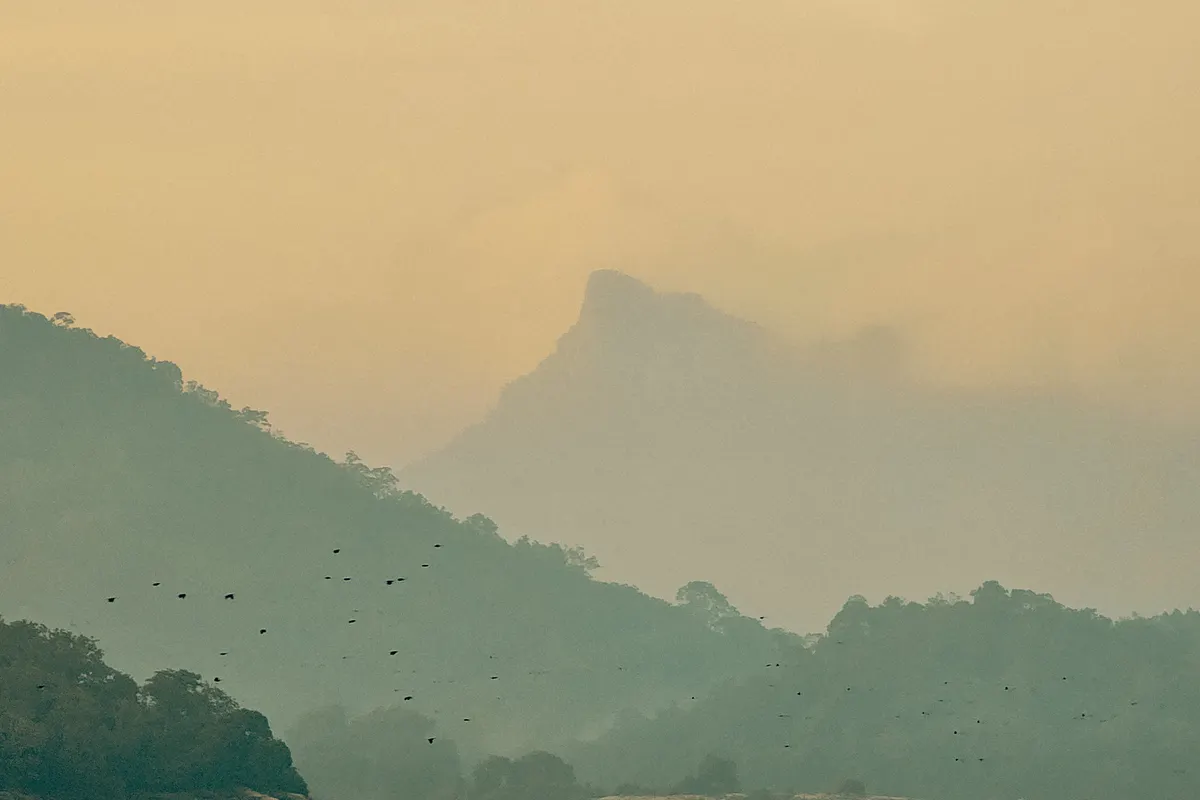
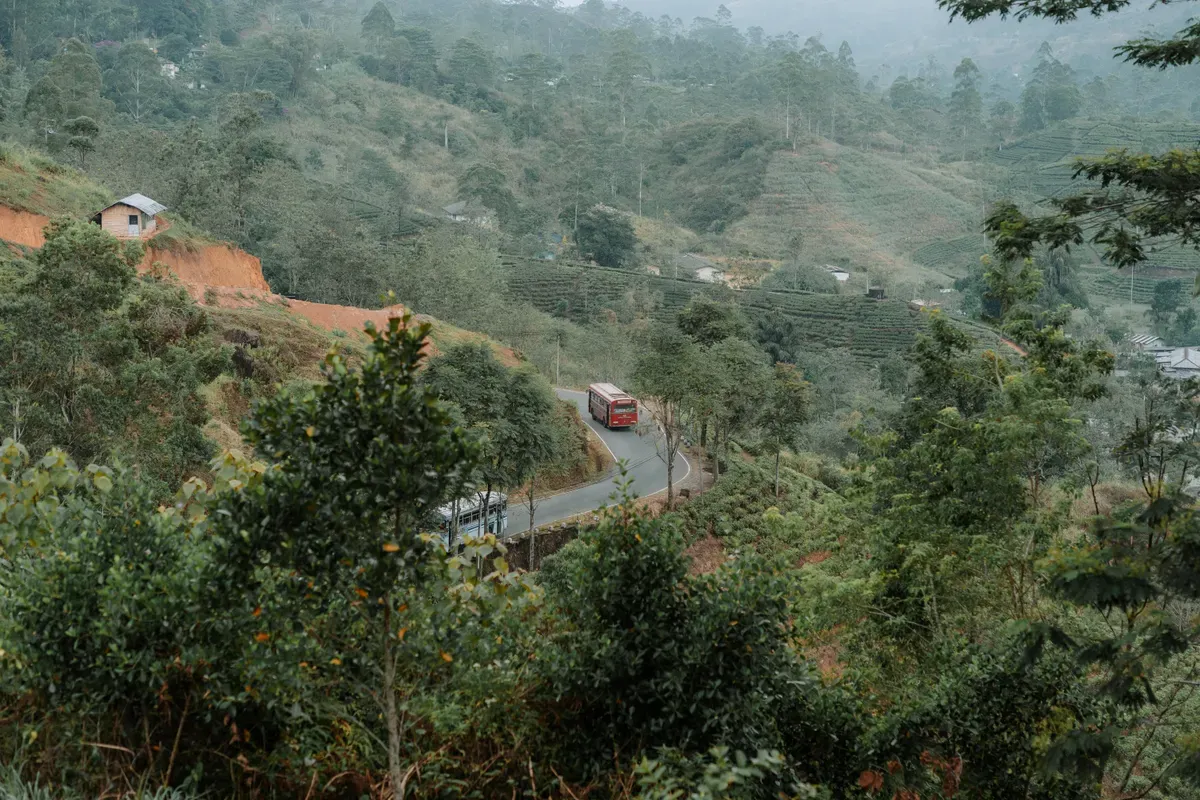
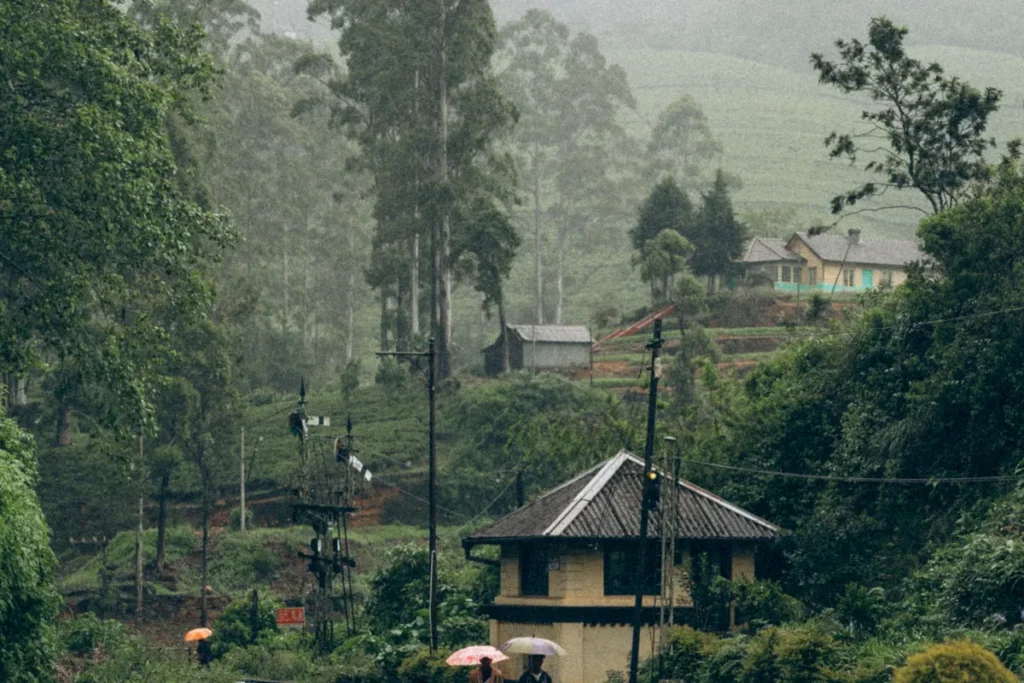
- Train views: mist can hide the valleys on the hill-country line. The ride is still worth doing, but do not plan the trip around one view.
- Sea conditions: the UK government’s safety advice warns of dangerous surf and rip tides at certain times of year. Ask locally before swimming.
- Flooding: the same advice notes that monsoon rains can cause flooding. Check local news and the Department of Meteorology before long drives.
- Walks: forest and tea-estate paths become slippery, and leeches are common. Wear closed shoes and leech socks.
- Quieter sights: fewer visitors at popular places, especially in the wetter region.
Local planning noteYour chauffeur guide watches the weather and road reports daily. If a hill road is affected, they can change the order of the next two days rather than cancel a stop.
Tell us your month and preferred coast
Share your travel dates and what matters most to you. Our tailor-made team can build the route around the region with the better weather.
Off-season travel questions
Is it worth visiting Sri Lanka in the monsoon?
Yes, if you plan around it. The monsoons affect different coasts at different times, so one region is usually drier. From May to September, the Cultural Triangle and east coast are in season while the south-west is wetter.
Does it rain all day during the Sri Lankan monsoon?
Usually not. Rain often comes in heavy bursts with dry spells between them, and mornings are commonly clearer. Some days are wet throughout, which is why a flexible day in the route helps.
Which Sri Lankan beach is good in June?
In June, choose the east coast. Trincomalee, Nilaveli, Pasikuda and Arugam Bay are in the dry zone, which the official climate guide names as best from May to September.
Featured photo: Eslam Mohammed Abdelmaksoud / Pexels. Hill-country railway; illustrative destination photograph.