Written by Muhammad Thahir · Sources checked 4 November 2026
A village homestay in Sri Lanka means staying with a family in their home, sharing meals and joining daily life such as cooking, farming or fishing. Choose a homestay registered with the Sri Lanka Tourism Development Authority (SLTDA), which licenses homestays to host foreign guests. One or two nights fit easily into a Cultural Triangle or hill-country route.
Why choose a registered homestay?
The SLTDA’s homestay page says every homestay owner should register with Sri Lanka Tourism and follow its homestay guidelines. Registered homes can display the official Home Stay logo.
An Asian Development Bank study reported by the Daily Mirror found many homestays operating without registration. Ask your host or operator for the SLTDA registration number.
What a village stay is like
Meals
Home-cooked rice and curry, often with vegetables from the garden. Tell your host about allergies or dietary needs in advance.
Daily life
Help with cooking, walk to the paddy fields or the tank, or visit the village temple.
Rooms
Clean and simple. Ask whether the bathroom is private or shared, and whether there is hot water or air conditioning.
Language
Hosts may speak limited English. A guide or driver can help with introductions on arrival.
Where to stay
- Cultural Triangle: farming villages near Sigiriya and Habarana, close to the ancient sites. Our Sigiriya village tour is a good day-visit alternative.
- Hill country: homes near tea estates around Ella and Haputale, with walks through the plantations.
- The north: family homes in Jaffna for Tamil cooking and temple visits.
Being a good guest
- Dress modestly, and remove shoes before entering the house.
- Ask before photographing family members, especially children.
- A small gift from home is welcome. Pay the agreed price rather than tipping in front of the family.
Local planning noteKeep homestay nights between hotel nights rather than at the start or end of the trip. That gives you an easy arrival and a comfortable last night before the flight.
More cultural ideas are in ways to explore Sri Lanka’s culture. Our Sri Lanka food tour guide explains the dishes you are likely to eat.
Add a homestay to your itinerary
Tell us your route and what you would like to experience. Our tailor-made team can suggest a registered homestay that fits.
Village homestay questions
Are homestays in Sri Lanka safe?
Registered homestays are the safer choice, because they follow Sri Lanka Tourism’s homestay guidelines and are licensed to host foreign guests. Ask for the SLTDA registration number, and read recent guest reviews before booking.
How do I know if a Sri Lankan homestay is registered?
Registered homestays can show the official Home Stay logo and an SLTDA registration number. Ask the host or your tour operator for it before you book, and check that the licence is current.
What should I bring to a village homestay?
Modest clothing, a torch, insect repellent, a small gift for the family and any medicines you need. Bring cash for extras, as villages may not take cards.
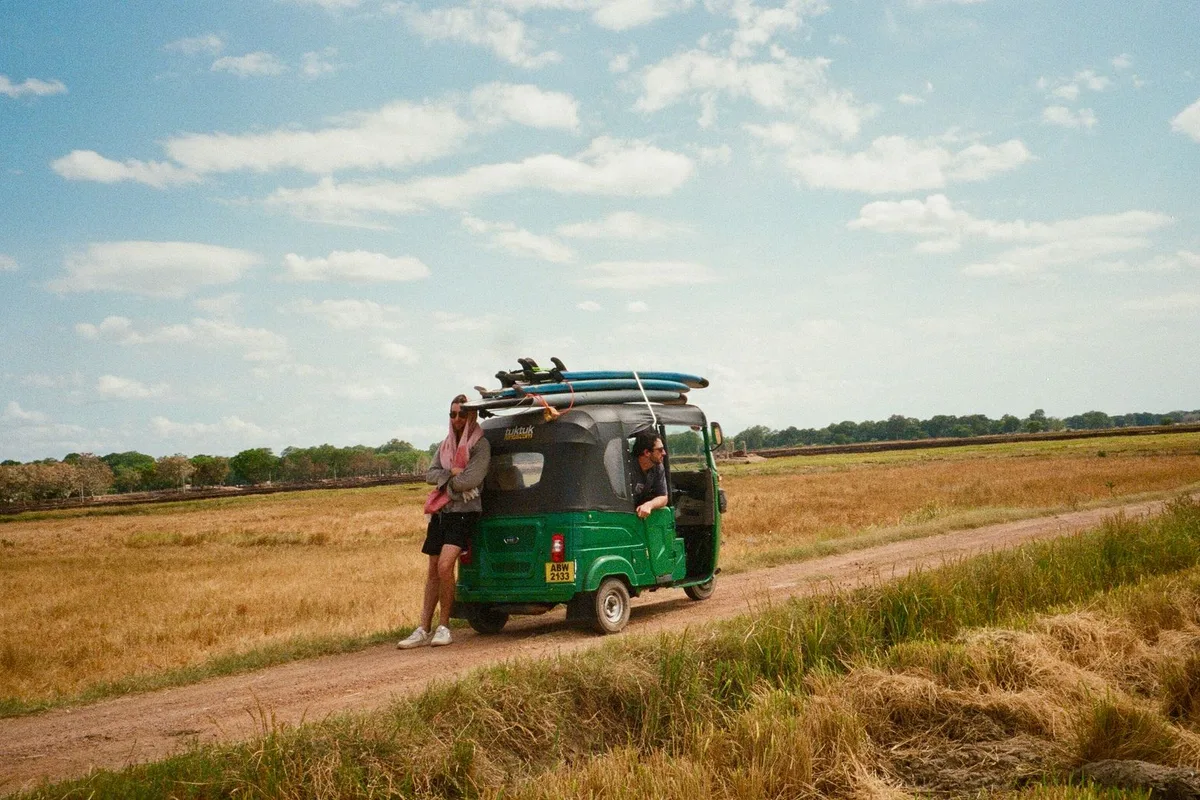
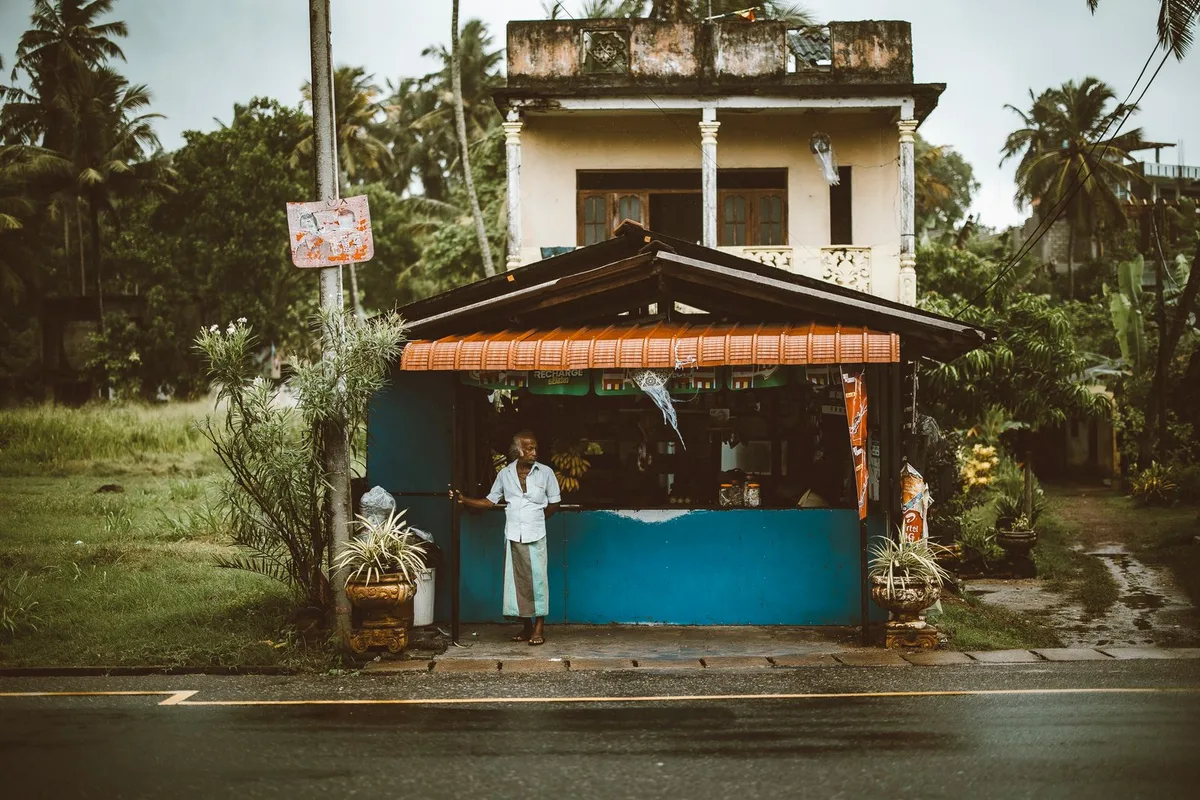
Featured photo: Sulakshana Tharuka / Pexels. Village road in Sri Lanka; illustrative photograph.