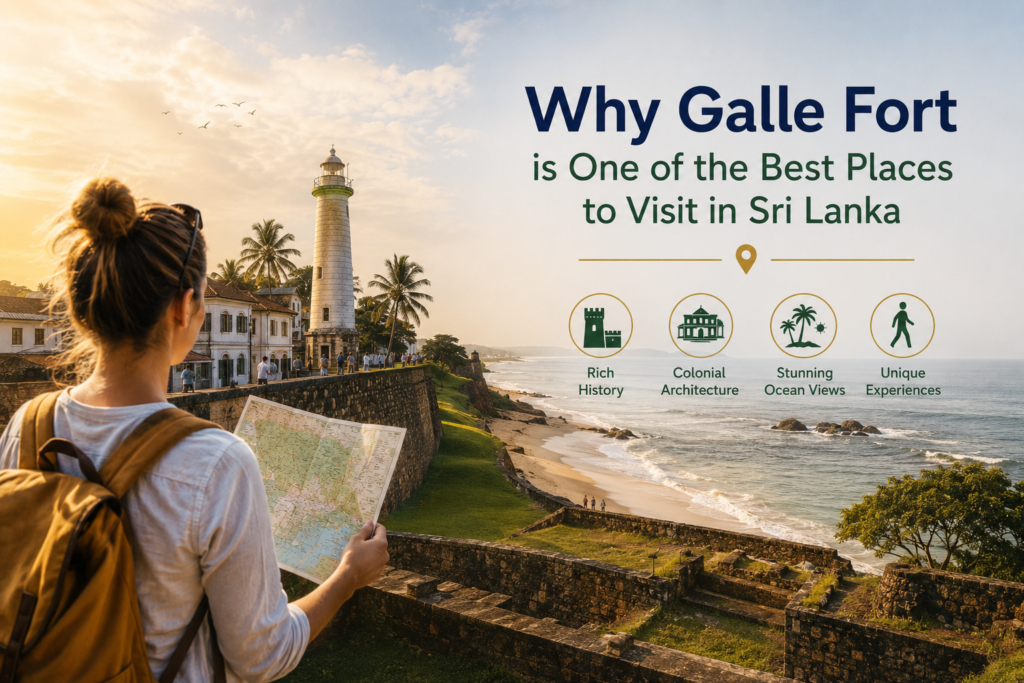
Of all the destinations on Sri Lanka’s southern coast, Galle Fort stands apart. It’s not just a historical site — it’s a living, breathing town where 400 years of colonial history unfold across cobblestone streets, ocean-facing ramparts, boutique hotels, and some of the finest restaurants on the island. For travellers who want more than beaches and wildlife from their Sri Lanka trip, Galle Fort consistently ranks as one of the most memorable stops the country has to offer.
This guide covers exactly what makes Galle Fort so special, the best things to see and do, how to plan your visit, and answers the questions most frequently searched before making the trip.
What Is Galle Fort and Why Does It Matter?
Galle Fort is a UNESCO World Heritage Site located on Sri Lanka’s southwestern coast, roughly 120 kilometres south of Colombo. Built originally by the Portuguese in 1588 and dramatically expanded by the Dutch East India Company after 1640, the fort served for two centuries as one of the most important trading ports in Asia — a hub through which spices, gems, textiles, and elephants passed between East and West.
What the Dutch left behind was extraordinary: a 36-hectare fortified town of thick coral stone ramparts, grid-patterned streets, churches, warehouses, and colonial architecture that remains almost entirely intact today — transitioned from colonial administrative centre to the remarkable living heritage site it is today after Sri Lanka’s independence in 1948.
What makes Galle Fort genuinely unusual is that people still live here — functioning churches, mosques, schools, boutique hotels, galleries, and private homes sit behind the same ring of stone walls that once defended a trading empire. Walking through the fort doesn’t feel like visiting a museum; it feels like stepping into a different version of time, where history and daily life occupy exactly the same space.
Top Things to Do at Galle Fort, Sri Lanka
Walk the Ramparts at Sunset
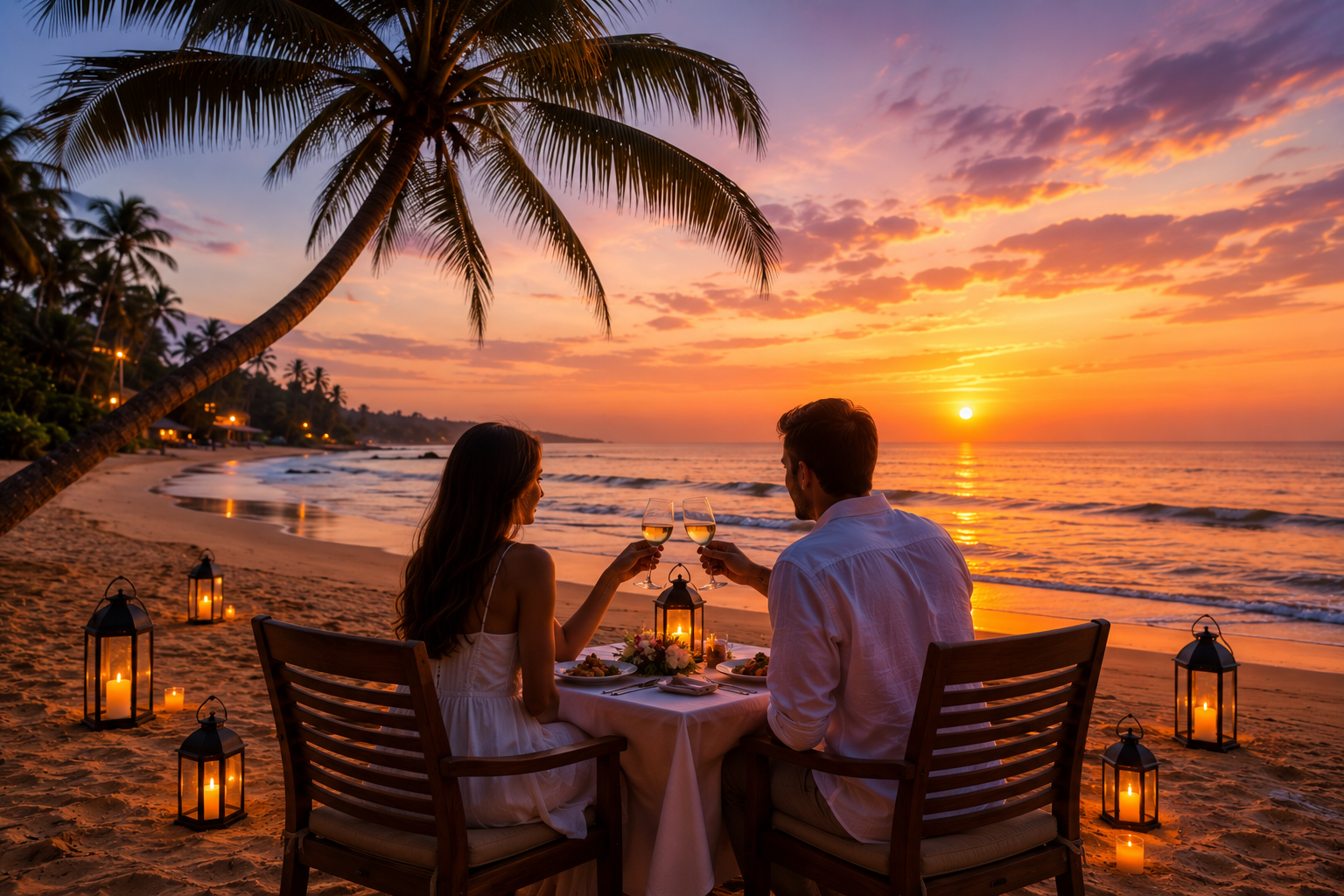
Walking the 2.5-kilometre rampart perimeter is the most iconic experience at Galle Fort — walls four to five metres thick facing the Indian Ocean on one side and the red-roofed colonial town on the other. The stretch from the lighthouse along the western wall is particularly spectacular at dusk when the ocean turns gold. Allow an hour to two hours and time it for the last two hours before sunset.
Visit the Galle Lighthouse
Perched on the southwestern tip of the fort at the Utrecht Bastion, the Galle Lighthouse is one of Sri Lanka’s most photographed landmarks. The current structure dates to 1939, replacing an earlier British-built lighthouse from 1848, and remains an operational lighthouse run by the Sri Lanka Ports Authority. While visitors cannot enter, the lighthouse and its ocean setting make for one of the best photo opportunities in southern Sri Lanka.
Explore the Colonial Streets and Architecture
Church Street, Pedlar Street, and the network of narrow lanes within the fort are lined with Dutch and British colonial buildings — whitewashed villas, arched doorways, carved wooden shutters, and quiet courtyards. Many have been restored as boutique hotels, cafés, and art galleries, creating a layered atmosphere where architectural history and contemporary life sit side by side.
The Dutch Reformed Church (De Groote Kerk)
Built in 1755 on the highest point inside the fort, the Dutch Reformed Church is one of Sri Lanka’s oldest Protestant churches. It received the UNESCO Asia Pacific Heritage Award for its 2004 restoration and remains one of the most significant historical structures within the walls.
Shop for Gems, Textiles, and Antiques
Sri Lanka is one of the world’s top gem producers, and Galle Fort has some of the most reputable jewellers on the island. The fort is also exceptional for genuine Dutch-period antiques, colonial furniture, old maps and prints, Sri Lankan batik, and handloomed textiles — widely considered the best shopping concentration in the country.
Dine Well Inside the Fort Walls
Galle Fort has one of the strongest restaurant concentrations on the south coast — wood-fired pizza, Sri Lankan fusion, seafood, and rooftop bars with rampart views offering some of the best sunset drinks in Sri Lanka. Prices inside the walls are typically higher than outside, but quality generally justifies the premium.
How to Plan Your Visit to Galle Fort, Sri Lanka (Step-by-Step)
Step 1: Decide How Long to Spend
Most of the main sights can be covered in a half day, but a full day is better for museums, cafés, shopping, and sunset on the ramparts. For the full experience — exploring the streets at night when tour groups have returned to their hotels outside the walls, dining well, and seeing the fort at different times of day — one to two nights inside the fort is strongly recommended.
Step 2: Choose the Right Time of Year
December to April is the best season for Galle Fort and the south coast generally — dry, sunny weather and calm Indian Ocean conditions. Sunset visits to the ramparts are worthwhile year-round, but this window is optimal for combining a fort visit with nearby beach and coastal activities.
Step 3: Plan Your Arrival Time
Early morning before 10 AM is ideal for photography and exploring before crowds and heat arrive. Late afternoon from 3 PM onwards builds naturally towards the sunset rampart walk — the fort’s most celebrated daily experience.
Step 4: Get There by Scenic Coastal Train
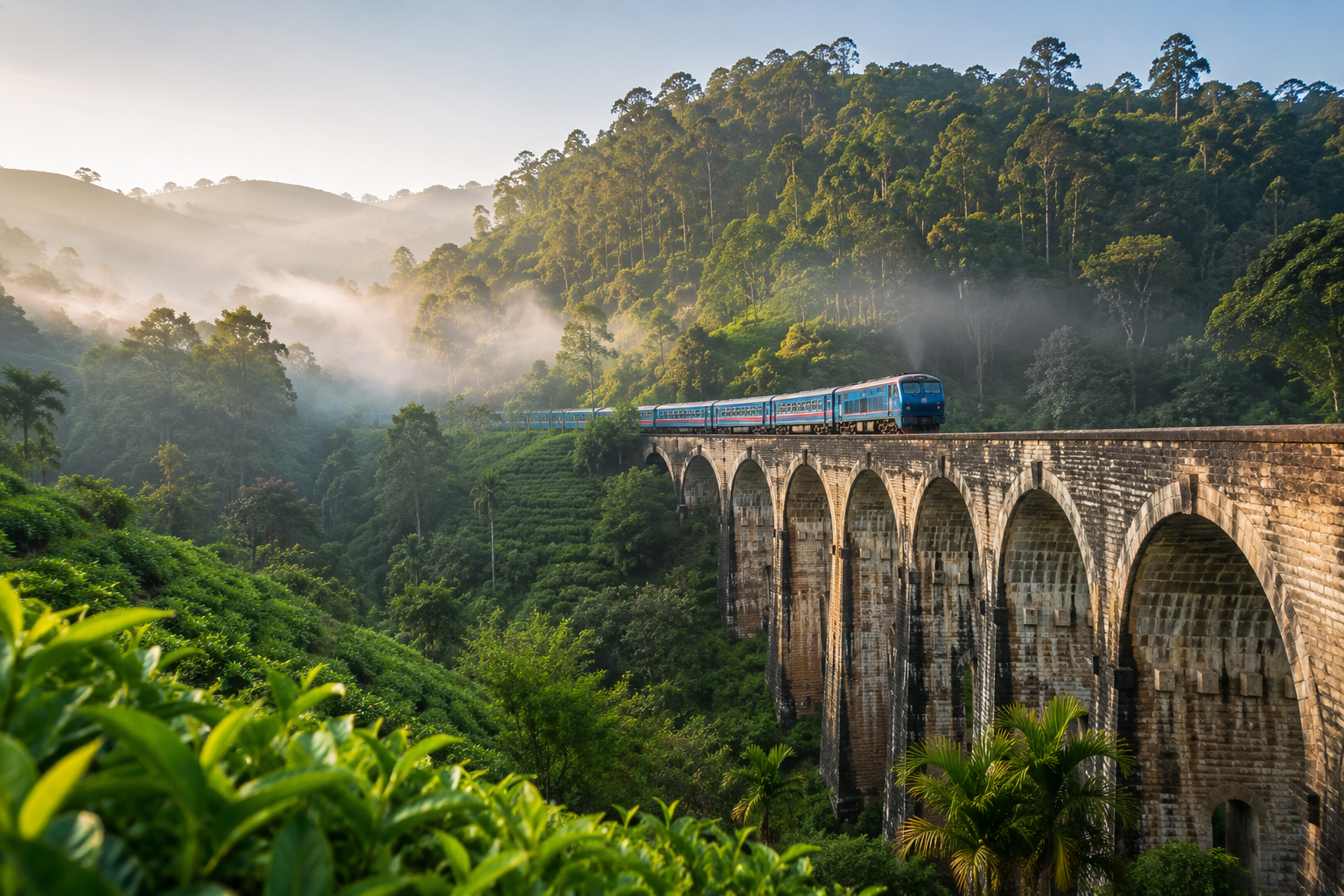
The coastal train from Colombo to Galle is one of Sri Lanka’s most scenic rail journeys — sit on the right-hand side heading south for ocean views. The journey takes roughly two and a half to three hours, with Galle station a short tuk-tuk ride from the fort.
Step 5: Explore Entirely on Foot
Galle Fort is walkable and best experienced that way. Good shoes are essential for uneven rampart surfaces and cobblestone streets. Bring a hat and sunscreen — shade on the ramparts is limited.
Step 6: Book Fort Accommodation Early
Boutique hotels inside the walls typically have only six to twelve rooms and fill up two to three months ahead during peak season (December to March). Book early if staying inside the fort is a priority.
Step 7: Build It Into a Broader Itinerary
Galle Fort connects naturally with Unawatuna beach, Mirissa whale watching, Hikkaduwa snorkelling, and the hill country route via Ella and Kandy. A tailor-made itinerary from Travel Zoom Lanka’s Sri Lanka tours sequences these into a journey that flows logically from one experience to the next.
What to See Near Galle Fort
Unawatuna (6 km) is one of Sri Lanka’s most photographed bays with calm water and good snorkelling. Mirissa (45 km) is the island’s premier whale watching destination, best from November to April. Hikkaduwa (18 km) offers reef snorkelling, turtle watching, and surf. Weligama (30 km) is a popular surf town with a relaxed coastal atmosphere.
Most Searched Questions About Galle Fort, Sri Lanka (FAQs)
1. What is Galle Fort and why is it famous? Galle Fort is a UNESCO World Heritage Site on Sri Lanka’s southwestern coast — a 36-hectare fortified colonial town built by the Portuguese in 1588 and expanded by the Dutch from 1640. It is famous for its intact colonial architecture, ocean ramparts, lighthouse, boutique hotels, restaurants, and as one of the best-preserved colonial fortresses in Asia.
2. How far is Galle Fort from Colombo? Galle Fort is approximately 120 kilometres south of Colombo — around two to two and a half hours by car via the Southern Expressway, or two and a half to three hours by the scenic coastal train.
3. Is there an entry fee for Galle Fort? Entry to the fort and its streets is free. Specific attractions inside — museums and certain heritage sites — charge small fees, typically a few hundred rupees.
4. How long should I spend at Galle Fort? Half a day covers the main highlights, but a full day allows time for museums, shopping, dining, and a sunset rampart walk. Staying one to two nights inside the fort provides the richest experience, including the fort’s quieter evening atmosphere.
5. What is the best time to visit Galle Fort? December to April is the optimal season. Within a day, early morning before 10 AM and late afternoon from 3 PM onwards are best — avoiding midday heat and catching the golden light for photography and sunset on the ramparts.
6. Can I visit Galle Fort as a day trip from Colombo? Yes — many visitors arrive in the morning and return in the evening. However, staying one to two nights allows access to the fort’s quieter evening atmosphere, which most travellers describe as the most memorable part of the experience.
Final Thoughts
Galle Fort is one of those rare travel destinations that lives up to its reputation — and often exceeds it. The combination of genuine colonial heritage, a living community, outstanding restaurants and shopping, and one of the most dramatic ocean sunset settings in Sri Lanka creates an experience that stays with most visitors long after they’ve left the island.
Travel Zoom Lanka designs personalised Sri Lanka itineraries that include Galle Fort alongside the island’s most memorable cultural, scenic, and coastal experiences — sequenced so each stop flows naturally into the next.
Ready to include Galle Fort in your Sri Lanka itinerary? Get in touch with our team or explore our tailor-made tour packages to start planning your journey.